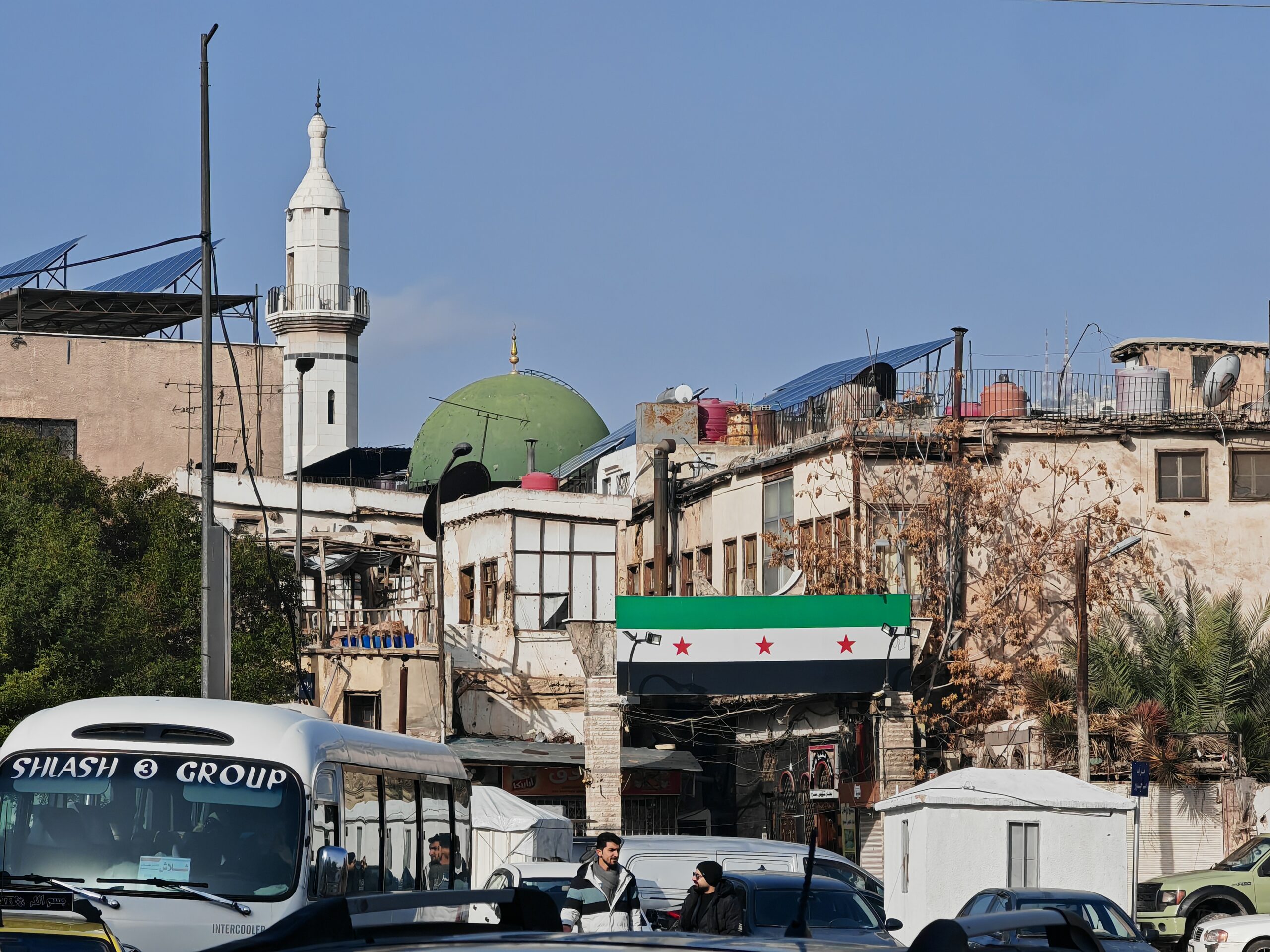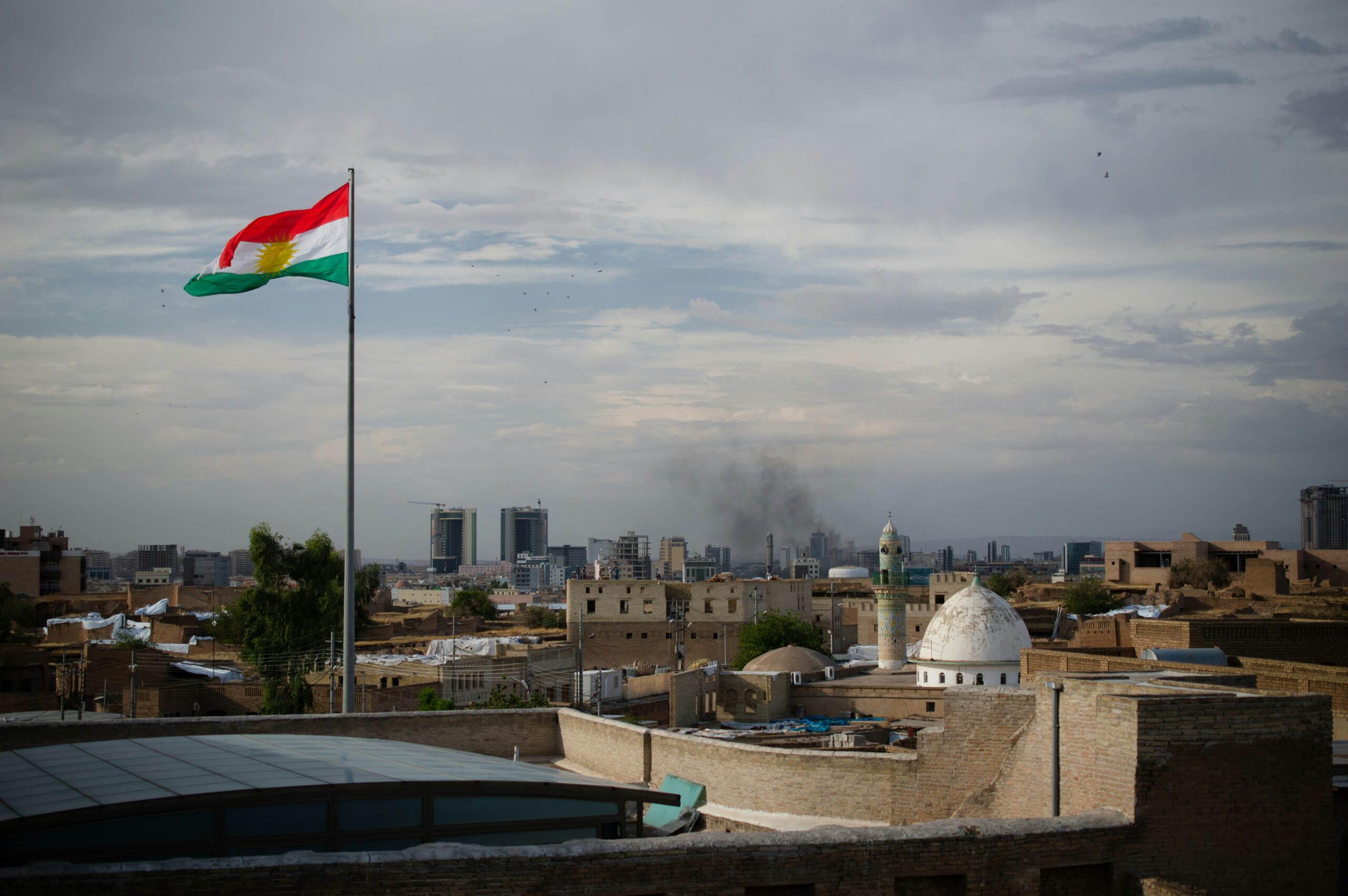
After a conflict erupted between the United States and Israel with Iran on February 28, Syria has largely disappeared from the international limelight, including any media attention for the thousands of foreign families with links to ISIS that escaped Syria’s al-Hol camp in February. Moreover, all remaining Western military resources in the Middle East are preoccupied with the war between Israel and the U.S. with Iran.
On 7 February, around 6,200 third-country nationals (out of a total of 23,000 camp residents) and thousands of others, mostly Syrians, escaped following the transfer of responsibility from the Kurdish-led Syrian Democratic Forces (SDF) to the Syrian Interim government on January 20. Moreover, the United States moved 6,000 male ISIS prisoners to Iraq from SDF prisons. According to a U.S. official speaking to Fox News, it appears that the Syrian government has decided to let them go free. Syrian officials say the families escaped because the camp is large and the smuggling routes are very varied.
Following the escape, the camp was closed on 22 February, and those who remained (around 1,000 families) were relocated to Aq Burhan camp in Akhtarin, northern Aleppo, while some families returned directly to their areas of origin. There isn’t a single precise, up-to-date figure for the exact total population of Aq Burhan camp, but the population consists mostly of Syrians and Iraqis, which means that the foreign women are living freely in Idlib province.
Apart from that, there are also still 2,300 (mostly) foreigners in the Roj Camp, still under Kurdish control. This camp will most likely be handed over to Damascus as part of the SDF-Damascus integration agreement signed on January 29.
Devorah Margolin, the Blumenstein-Rodan Senior Fellow at the Washington Institute, told Khayrion that “the majority have disappeared within Syria, primarily to Idlib, where networks of other foreign travelers have been historically based. Only a handful of foreign families remained in Al-Hol and were thus moved to northern Aleppo.”
The question is also whether these foreign women will stay in Syria. A Western diplomat told Khayrion that “so far by and large it seems there’s no major movement to Europe as yet.”
However, the diplomat added that it is impossible to say if these foreign families could help to revive ISIS in Syria or pose a future security threat to Europe. “They will probably seek to establish themselves one way or another in the Syrian community. Most likely, they are first gravitating towards the Salafi-jihadist milieu in Idlib or somewhere else, but what happens after is highly uncertain.”
Margolin added that some have left the country, “with already cases of those who escaped returning to Albania and Belgium.”
There are also reports that some Lebanese ISIS women went to Lebanon. The Guardian reported that a woman from Western Europe had managed to smuggle herself out of al-Hol to Lebanon and had gone to the Embassy of her home country for help with repatriation. A woman from Belgium was also arrested upon arrival in early February.
The Salafi-jihadist milieu in Idlib also includes many foreign fighters. There are also some reports that some of the al-Hol women married some of them.
Damascus also has a bad track record in curtailing the presence of foreigners, who are now quite integrated and married to local women. In October 2025, the Syrian government failed to arrest a French jihadist leader in a camp on the Turkish border. Apart from French male Jihadist fighters, there are also other nationalities in Idlib, including people from Central Asia, and some Western European countries, including the Netherlands, and Germany.
Mona Thakkar, research fellow at International Center for the Study of Violent Extremism (ICSVE), tracking militant groups and their financial networks, said in an interview with Khayrion that there is no fear for foreign women of being caught inside Syria. “They have blended themselves into the civilian and societal fabric of Syrians living in Idlib.”
“The English-speaking IS women who are still loyal to the group have become more vocal about their support for IS, disseminating nashids and propaganda about raising their children on the path of ‘tawheed’.” They have grown more security-conscious, taking precautions to hide their digital identities. As a result, they often post less about their daily lives after their release.”
Furthermore, many of the women are now securing funds online and no longer struggle to pay rent or accommodation, or to make ends meet.
“There has also been a significant increase in supporters raising money through crowdfunding, where these fundraisers are presented as humanitarian campaigns. Such platforms provide access to a global pool of potential donors, including sympathizers who might not be reachable through closed networks. The ease of use of these platforms and cover of legitimacy provide further support for these campaigns for IS women.”
“Intermediaries sympathetic to these women, mainly IS supporters in Europe, lead these fundraisers and have evaded the scrutiny of law enforcement, continuing to maintain a pipeline of constant flow of funds for these women,” she also said.
A local Kurdish civil society member in Hasakah added that the women could pose a security threat. “Many of them, including children, minors, and women, are really hardcore radicals and deeply influenced by ISIS ideology—very radicalized—and they could pose a threat to their societies, to their children, and spread it. Maybe not to revive ISIS to that extent, but they could still create security risks for the communities they live in.”
“In the wake of the U.S.–Israeli war against Iran and the resulting regional destabilization, fugitive IS women and escaped IS operatives may not be seen for now as an immediate, urgent, or potent threat. The status of these freed IS women—some of whom remain staunch supporters of the group is unclear, with their identities unknown, making the prospect of repatriation a tall task for their home countries,” Thakkar concluded.