Over the past two days, heavy drone and missile strikes have hit targets in Slemani (Sulaymaniyah), the stronghold of the Patriotic Union of Kurdistan (PUK), an Iraqi Kurdish party with strong links to Iran, but also relations to the United States (USA). The question arose why the PUK-zone was attacked, while the PUK has a strong relationship with Iran, and Iran-backed armed groups, such as Asa’ib Ahl al-Haq.
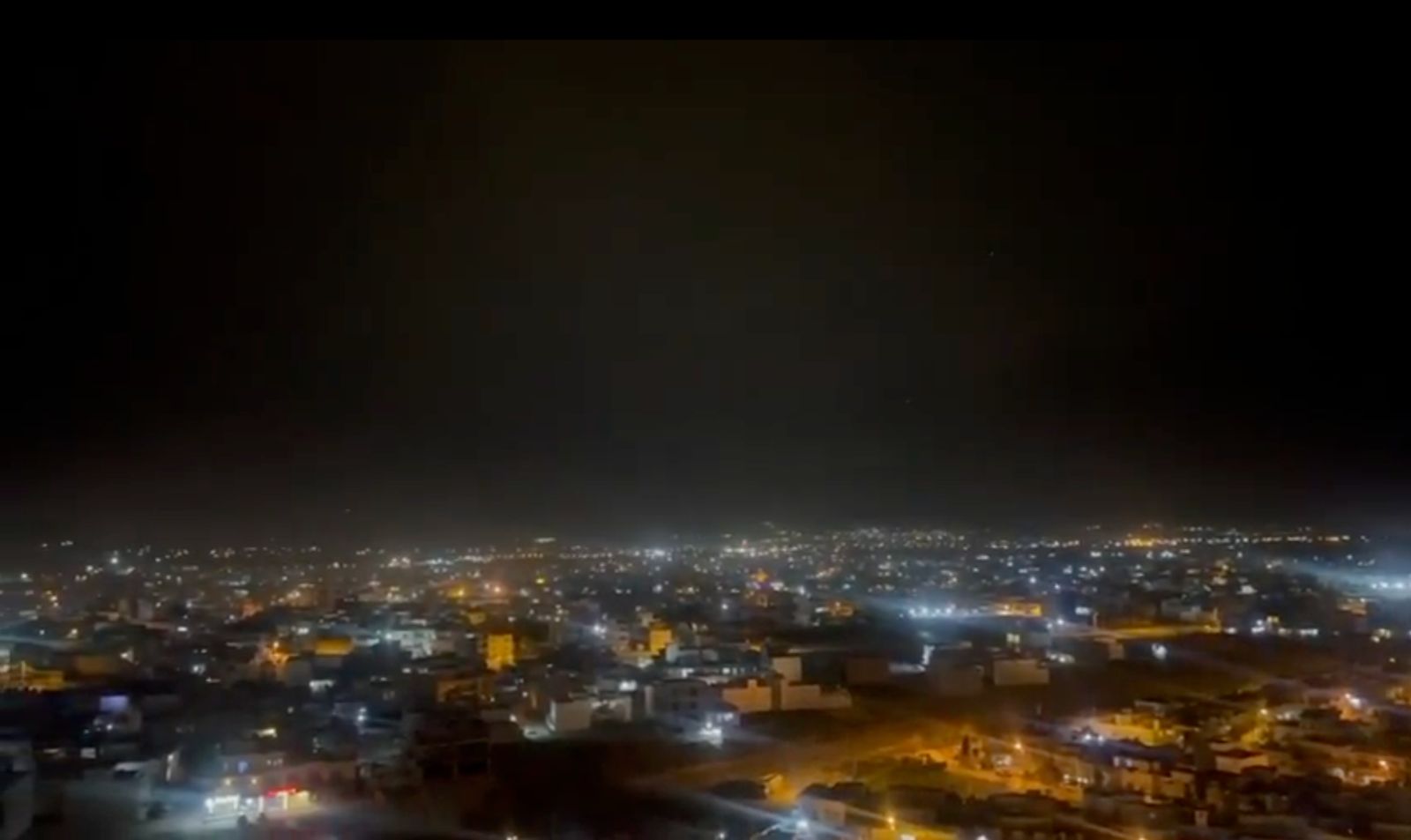
For the first time on March 3, a drone attack was carried out on the former UN headquarters in Slemani. Late Saturday night six drones targeted the headquarters of the Forces 70 and areas near the UN headquarters and the Turkish consulate, a report by PUK Media said. Most of the drones were intercepted, and no casualties were reported. Separately, a missile attack on Zrgwezala near Slemani resulted in the death of one Peshmerga of the Kurdish opposition party Komala Party of Iranian Kurdistan. Late Sunday, another drone was also downed in Slemani, with gunfire reportedly being heard at the headquarters of the PUK’s Peshmerga Unit 70 Command. Another strike was thwarted hours later.
Before the attack on Sunday evening, the Iranian-backed Iraqi Resistance Coordination Committee, an umbrella of Iran-backed armed groups, warned that it would launch “severe attacks” on US interests and the leadership of Kurdish parties in Iraq’s Kurdistan region, if they would become involved in supporting Iranian Kurdish opposition groups backed by Israel, which “seek to infiltrate Iran.” Not long after that, attacks resumed in Slemani.
These events unfolded although the PUK-Iran relations are obvious and historically strong. For instance, on March 1, PUK President Bafel Jalal Talabani extended condolences to the people of Iran and to all those mourning the death of Supreme Leader Ayatollah Ali Khamenei and other senior officials who were killed amid recent hostilities, calling for dialogue. Moreover, Bafel Talabani has a strong relationship with the U.S.-sanctioned Rayan Al-Kildani, Secretary-General of the Babylon Movement, and Qais al-Khazali, Secretary-General of the Asa’ib Ahl al-Haq, both linked to the Shia paramilitary Popular Mobilization Units (PMF), established during the anti-ISIS war in 2014.
The PUK supported the Babylon Movement to gain quota seats in Iraq and the Kurdistan Region, and in October 2024, for the first time, a PMF-linked candidate from Babylon won one seat in the Kurdish parliament. Before the 2024 October election, the PMF only had parliament members in the Iraqi parliament, but this didn’t stop attacks on PUK-held territories.
It was, therefore, no surprise that according to data from CPT Iraqi Kurdistan, since their start on February 28, the Iranian retaliatory attacks were focused on KDP areas, which include U.S. bases such as the Erbil Air Base and the Harir Air Base. There are no US bases in Slemani. 162 attacks (82.65%) were carried out within the KDP-held Erbil Governorate, 26 attacks (13.27%) within Sulaymaniyah Governorate, 5 attacks (2.55%) within Duhok Governorate, and 3 attacks (1.53%) within Halabja Governorate.
The two dominant political parties in the Kurdistan Region of Iraq (KRI) are the Kurdistan Democratic Party (KDP), led by Masoud Barzani and based in Erbil and Duhok provinces, and the Patriotic Union of Kurdistan (PUK), led by Bafel Talabani and centered in Sulaymaniyah province. The KDP-controlled areas are often referred to as the “Yellow Zone” (after the party’s yellow logo), while PUK-controlled areas are called the “Green Zone.” While the KDP traditionally has a stronger relationship with Turkey, the PUK has a stronger relationship with Iran.
The attacks might be similar to the Iranian attacks on Gulf Arab countries like Oman and Qatar, with which Iran traditionally had a relatively good relationship, with Oman serving as a mediator between the United States and Iran. However, while Qatar and Oman have U.S. military bases, there are no known U.S. bases in the Slemani region, although there is a working relationship between the PUK and the US on counter-terrorism.
“Today’s attacks by the PMF against the Kurdistan Region are blatant provocations by Iran’s proxies to drag the Kurdish people into a wider conflict and to punish Kurdistan for its autonomy and international partnerships,” Sierwan Najmaldin Karim, is the current President of the Washington Kurdish Institute (WKI), whose father Najmaldin Karim, who passed away in 2020, was a prominent PUK leader, and governor of Kirkuk.
“These actions are a desperate attempt by what’s left of the Iranian regime and its proxies to project power and signal strength, even as their leadership and military capabilities have been decimated.”
The attacks might also be related to U.S. talks with the PUK and KDP over possible plans to support Iranian Kurdish opposition parties based in Iraqi Kurdistan in exile since 1979, to fight the Islamic Republic. However, the attacks did not only target Iranian Kurdish opposition parties, but also the Peshmerga’s Unit 70 Command, which maintains complex relations with the U.S
On March 3, Axios reported that President Trump spoke to leaders of the two main Kurdish factions in Iraq — Kurdistan Democratic Party (KDP) President Masoud Barzani and Patriotic Union of Kurdistan (PUK) President Bafel Talabani, amid rumours that the Trump administration would consider using Iranian Kurdish opposition actions to attack Iran. The Washington Post reported that President Trump told the Iraqi Kurdish leaders to choose a side in the battle with Iran and requested the Iraqi Kurds not to obstruct Iranian Kurdish groups and provide logistical support.
There are several Iranian Kurdish opposition parties that have bases in Iraqi Kurdistan, including in PUK areas. On February 22, six Iranian Kurdish opposition parties formed a new Coalition of Political Forces of Iranian Kurdistan (CPFIK), a political and military alliance to overthrow the Iranian regime. For instance, the Komala Party of Iranian Kurdistan has bases in PUK-controlled Slemani, and the Democratic Party of Iranian Kurdistan (PDKI) has bases in Koya, both of which have been attacked. This is despite a security 2023 treaty between Baghdad and Iran, which includes disarming Kurdish opposition groups from Iran.
On March 3, the PUK also confirmed that US President Trump spoke with PUK President Bafel, during which President Trump outlined the United States’ objectives in the war. On March 5, there were also reports that Iranian Foreign Minister Abbas Araghchi held a phone call with Bafel Talabani, the head of the Patriotic Union of Kurdistan (PUK) in Iraq, to discuss border security.
“During the conversation, Bafel Talabani expressed his condolences and sympathy over the martyrdom of the Supreme Leader (Ayatollah Ali Khamenei) and all those killed in the American-Zionist crime,” the Iranian Foreign Ministry said on X.
“Given that the PUK traditionally has better relations with Iran and various groups in Baghdad, it is hard to understand why Shiite militias in Iraq keep targeting PUK areas of Kurdistan,” David Romano, the Thomas G. Strong Professor of Middle East Politics at Missouri State University, told me.
“My only guess would be that they want to send a clear message that the PUK – which controls Kurdistan’s border with Iran – should not allow Iranian opposition groups to cross that border. Either that, or they simply have more pro-Iranian and Iranian operatives in the PUK-run areas who can act as spotters for their drones and such.”
It seems that President Trump, last Saturday, also backtracked on supporting Iranian Kurds against Iran, saying that he doesn’t want them to go to Iran, while last Thursday, telling Reuters that it would be wonderful if the Iranian Kurdish parties would cross. However, it seems that Iran still doesn’t believe the Trump administration, and continues attacking PUK-held territories as a warning to Iraqi Kurdish parties not to support any plans by the US or Israel to back Iranian Kurdish parties.
Phillip Smyth, a researcher who specializes in Iranian proxy groups and Shiite militias, added that “Iranian forces and their Iraqi Shia militias struck at PUK areas to keep them in check. They have a good working relationship with the party, its main zone of control abuts Iran and Iranian Kurdistan and by attacking them it was to demonstrate that they can be hurt if they assist U.S. efforts.”
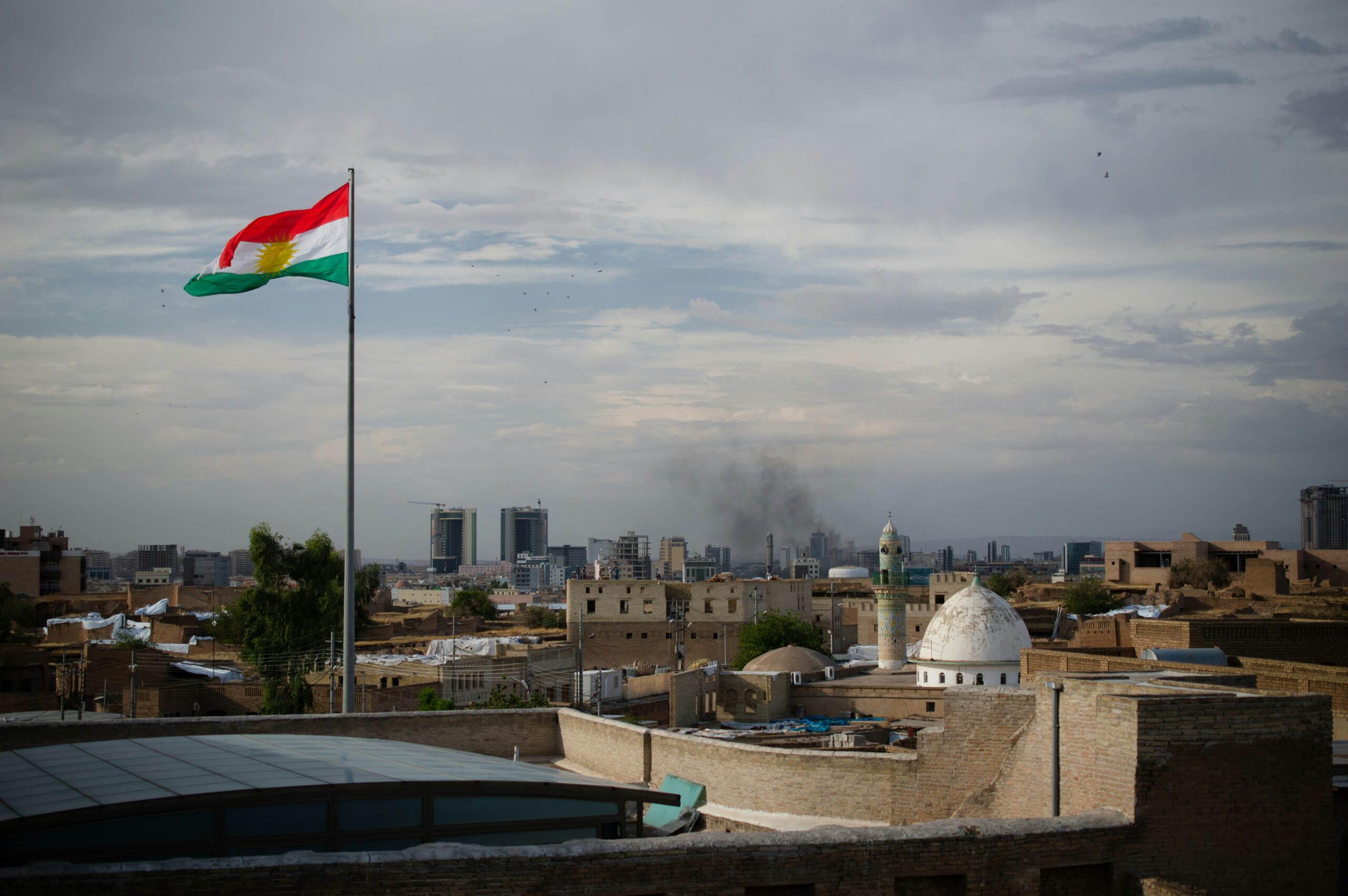
Image credit: Kamaran Mulla / CPT