With its arsenal of offensive weapons expected to be depleted soon, the Iranian regime may be forced to look for new methods to keep up the pressure on its Gulf neighbors. It will not relent even if the active stage of the war should be brought to a halt by a ceasefire or an effective exhaustion of military means, to save the Gulf and world economies from the debilitating effects of the conflict. Other than a ceasefire is hard to envisage if, should hostilities end, the admitted war objective of regime change has not been accomplished by the US and Israel. For now, they are facing a regime even more hostile and entrenched than the one they wanted to remove.
The cornered theocracy has little to hope for in terms of outside help. Neither Russia, its closest ally, nor China, the chief customer of its oil, will risk active confrontation with the US over Iran. The Tehran regime will have to make do with what it owns to keep up the pressure on its Gulf neighbors, attempting to blackmail them into concessions like easing trade sanctions to guarantee its survival.
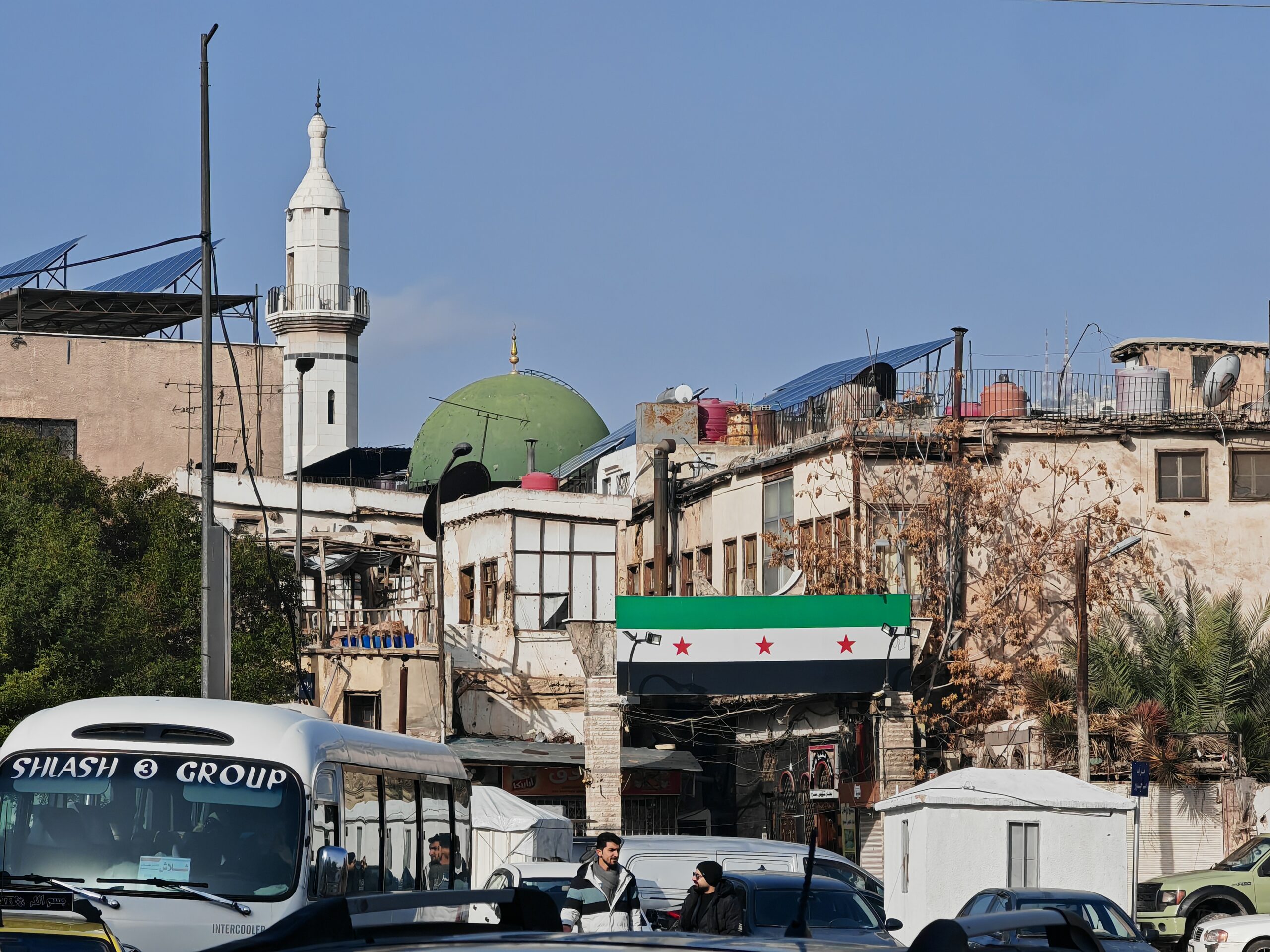
Short of missiles and drones, Iran may revert to another weapon it is endowed with – its demographic weight translated into a pressure card. It will not be the first county to do so. The blueprint was devised by its close ally, the Assad regime, at the end of the Syrian uprising, when it opened a floodgate of refugees inundating Europe. Not only did the regime rid itself of the most volatile section of its populace – young, mainly fighting age men – but it has also put pressure on its adversarial neighbor Turkey, obliged to admit in the human wave for want of an alternative. The arrival of a million refugees to Europe upended European politics for good, while three million Syrian refugees in Turkey placed almost unbearable pressure on its economy and society.
Some indications point in the direction of Russian and Iranian complicity in setting off the greatest human migration into Europe (and Turkey) since WWII. Russian bombings depopulated entire regions of Syria, and Iranian “advisers” of the IRGC provided useful suggestions to Assad on how to finally “pacify” his country[1].
Russia tried to replay 2015 elsewhere, albeit on a smaller scale. In an attempt to pressure Finland and Norway, it massed illegal migrants at their Arctic border in 2015-16, checking if it could create yet another destabilizing flow. The Nordics acted decisively, choking off the attempt.
The weaponizing of refugee flows reminiscent of 2015 came back to haunt Poland in 2021, shortly before Russia unleashed the Ukraine war. Belarus, in tandem with Moscow, organized a flow of Middle Eastern, chiefly Iraqi migrants flown in on charter flights, organized in groups and ferried by buses to the Polish border to attempt illegal crossing into Europe. The aim was to rerun 2015, but Poland thankfully reacted firmly, and the border was fortified. No telling how many hostile agents lurked among the would-be “refugees”.
Iran will witness grave problems – perhaps bordering on a humanitarian catastrophe – once military operations targeting the country are over. There will be a spontaneous urge among many Iranians to leave. The young, the most mobile segment of society, are by default at the forefront. It will take no great effort from the authorities to manage this exodus driven both by economic pressure and a wish to be outside the oppressive theocratic state, hardly an enticing perspective for the young.
It may seem overblown to fantasize a mass exodus of Iranians to the Gulf countries, but the peril of such an eventuality should not be discounted. Iran enjoyed a brisk trade with its Gulf neighbors to circumvent sanctions all along, by way of the “dhows”, small wooden boats ploughing Gulf waters since time immemorial. These means of under-the-radar trade supplied Iran with consumer goods for its myriad bazaars. It is not a huge stretch of imagination to see the boats carrying people, not goods, to the opposite shore.
If raised to a level of officially endorsed activity, people smuggling from Iran to the Gulf can become an industry not unlike that in North Africa and the Levant. Much as Europe could not cope with the problem for well over a decade, duly observing its humanitarian obligations, the Gulf may find itself facing similarly difficult decisions. Gulf capitals would benefit from re-visiting the lessons learned by Europe during its struggle to find answers to a challenge that was, in no small measure, created by hostile powers bent on breaking the continent.
Ending the misery of the Iranian people would take no more from Tehran than accepting to change its behavior and acceding to the wishes of the wider region to become a peaceful country. Short of this – and the omens are not encouraging – Iran will remain a bane for its Gulf neighbors. With a rich toolkit at its disposal to pressure them, pushing the refugee card may be one it wants to use.
[1] NATO’s Supreme Allied Commander Europe, General Philip Breedlove, in testimony to the U.S. Senate in 2016 arguedthat Russia and the Syrian government intentionally generated refugee flows to destabilize Europe. “Together, Russia and [Syrian President Bashar al-Assad’s] regime are deliberately weaponizing migration in an attempt to overwhelm European structures and break European resolve.”