Despite fighting alongside former Syrian President Bashar al-Assad’s forces for years, Russia secured a deal with the country’s new authorities allowing it to maintain its military presence – at least temporarily – in the country. Interim President Ahmad al-Sharaa’s administration, according to reports, agreed to let Moscow retain its foothold at the Hmeimim air base and Tartus naval base in the form of joint training centers, while civilian infrastructure at the sites is transferred to Syrian control.
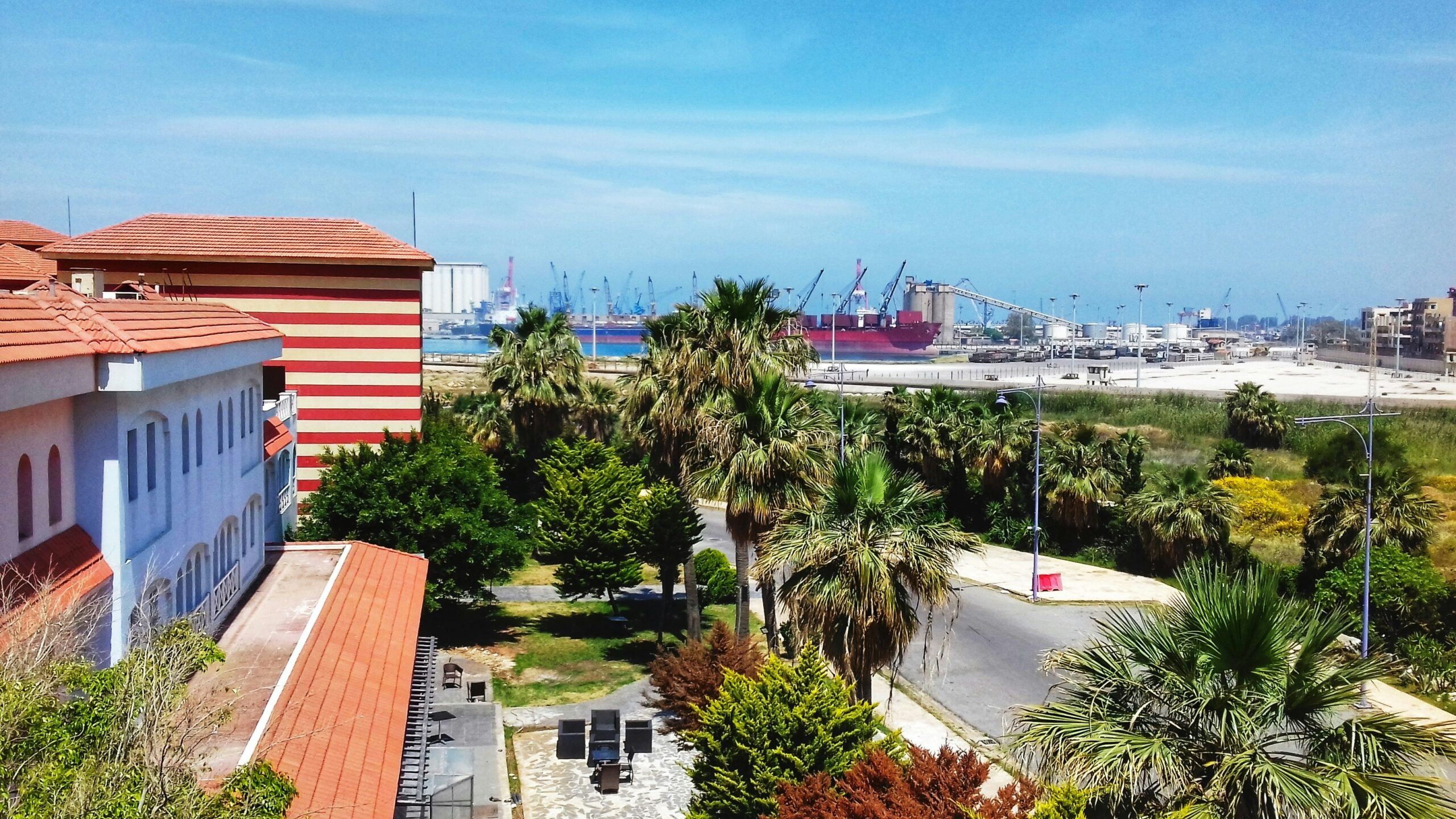
The two facilities came under Russian management in 2015, when the Kremlin sent troops to support Assad, who had ruled Syria since 2000. The then Syrian authorities later granted Russia a 49-year lease for the Tartus facility. The two sites served not only as key bases for supporting Assad during the civil war but also as Russia’s main logistical hubs for its operations in the Mediterranean and Africa.
But the fall of Syria’s strongman in December 2024 raised questions over the future of Russia’s military presence in the country. It did not take too long for the Kremlin to recognize al-Sharaa as Syria’s new leader and begin talks with Damascus over the future of its military bases. However, Moscow’s decision in January 2026 to withdraw Russian troops from the Qamishli airfield in northeastern Syria, where they had been stationed since 2019, was a clear indication that the Kremlin’s room for maneuver in the Middle Eastern nation had become rather limited.
The overthrow of Assad marked a serious blow not only to Russia’s prestige on the global stage, but also to its positions in Syria. Since al-Sharaa views ties with Turkey as a central and critical vector of his foreign policy, Russia’s military presence in Syria seems to have become harder to sustain.
Russian experts, however, argue that for Moscow, the main priority is to continue using the Hmeimim air base as a “transit hub on the way to Africa” and secure the conditions for a long-term presence there. In the past, while Assad was still in power, Russian officials and experts claimed that Moscow’s military presence in Syria was driven primarily by security concerns, particularly the fear that Islamist militants from the war-torn country could return to Russia and pose a threat in the North Caucasus.
But security was not the only factor. Russian involvement in Syria was reportedly also driven by geoeconomic interests. In October 2016, former Russian general Leonid Ivashov stated on Russian state-owned Channel One that Moscow’s engagement in the Syrian conflict was “critical to prevent the construction of the Qatar-Turkey” pipeline, which would be “catastrophic for Russia’s state-owned energy giant Gazprom”.
Now that Assad is no longer in power, the Qatar-Turkey gas pipeline has not been built, and we are unaware of any serious Islamist threat in the North Caucasus. Thus, it remains unclear what the main goal of Russia’s military presence in Syria was in the first place.
To reach the port of Tartus, Russian navy ships had to pass through the Turkish-controlled Bosphorus and Dardanelles. Ankara could have closed the straits at any time, complicating Russia’s engagement in the Middle Eastern country. More importantly, Russian bases did not help Moscow’s client Bashar al-Assad win the war.
If the Kremlin’s ambition is to maintain even a limited presence in Syria as a logistical hub for its operations in Africa, it will remain dependent on Turkish goodwill. In addition, it will face a problem it did not have in the past: Ukrainian drones.
To access the Mediterranean, Russian ships would first have to pass through the Black Sea. Under the current circumstances, with Russian ports and vessels having become easy targets for the Ukrainian military, such an operation does not appear realistic. The Kremlin would therefore have to make significant concessions to Kyiv in order to secure its de facto green light to resupply what remains of Russia’s bases in Syria. But even then, there is no guarantee that Russia would be able to use the ships successfully for its activities in Africa.
“For the first time, Ukraine has set itself the goal of comprehensively influencing the situation on the African continent and protecting its national interests in this part of the world,” Head of the Office of the President of Ukraine, Lieutenant General Kyrylo Budanov, said on March 25 at a high-level interagency coordination meeting where Ukrainian officials discussed Kyiv’s plans to counter Russian influence in Africa.
The discussion came a few weeks after the Russian-flagged liquefied natural gas carrier Arctic Metagaz was struck by a suspected Ukrainian naval drone in the Mediterranean Sea off the coast of Libya. Previously, in October 2025, the Russia-Ukraine conflict had reportedly spilled into Mali, with Kyiv supporting Tuareg rebels while Moscow backed the country’s military junta. Earlier, in 2023 and 2024, reports showed that Ukrainian special forces were deployed to Sudan to conduct ground operations and drone strikes against Russian Wagner Group mercenaries.
Kyiv has, therefore, demonstrated that it can challenge Russian interests not only in the Mediterranean but across Africa as well. Thus, maintaining a military presence in Syria is unlikely to help Moscow achieve its geostrategic goals and will undoubtedly entail significant political and financial costs.
Finally, if Russia stays in Syria only to operate joint training centers, it will also be difficult for the Kremlin to present this as a “geopolitical victory,” especially as Russian media have already warned that Moscow could end up de facto training former Islamist militants at the Hmeimim base. On the other hand, leaving Syria completely would almost certainly look like a debacle – something that Moscow, being bogged down in Ukraine for four and a half years, can hardly afford. At least not before the upcoming parliamentary elections scheduled for September.
That is why, for the time being, Russia is expected to try to maintain a limited presence at the bases and potentially use them for subversive operations in Africa, while in the long term it may have to face reality and leave them altogether.