Unable to achieve its military and political goals in Western-backed Ukraine, Russia is actively turning to its well-known hybrid warfare strategy. While European countries accuse Moscow of violating their airspace with drones and interfering in their elections, the Kremlin is expanding its presence in eastern and southern Libya, strengthening its position at the crossroads of the Mediterranean, North Africa, and the Sahel.
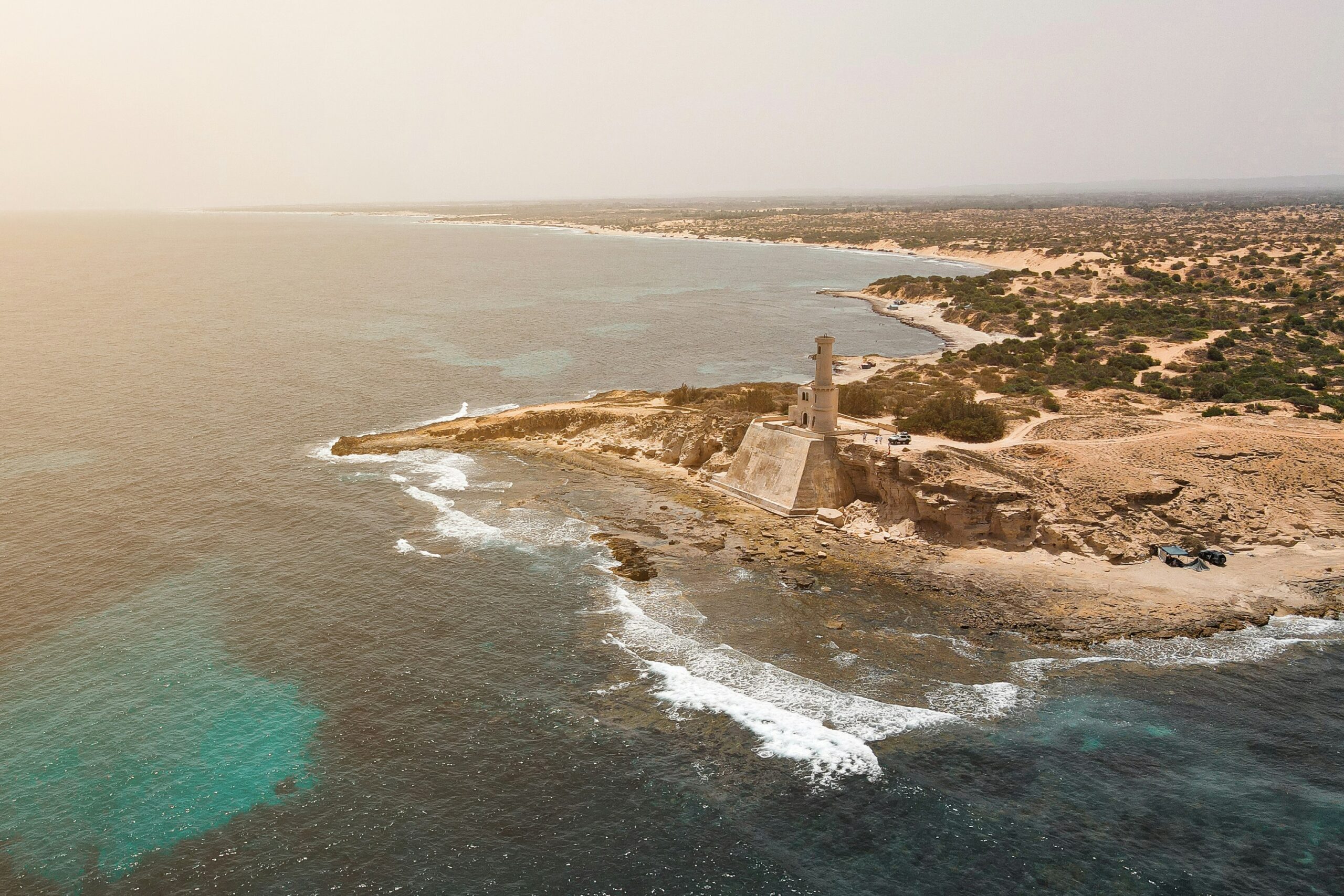
According to reports, Russia is strengthening its military foothold in Libya by developing and upgrading several air bases, moving weapons and personnel, and using the country as a hub for operations across North Africa and the Sahel. Moscow is reportedly planning and funding infrastructure projects at no fewer than six Libyan airbases: Al-Jufra, Al-Khadim, Al-Qardabiyah, Brak al-Shati, Maaten al-Sarra and Tamanhint.
The Al-Jufra Air Base seems to be of particular interest to Russian strategic planners. Since 2019, Russian paramilitary forces – initially operating under the Wagner Group and subsequently brought under the umbrella of Russia’s Africa Corps and Ministry of Defense structures – have used the base as a key logistical hub and staging ground. Recent developments at Al-Jufra have reportedly included the renovation of aircraft hangars and the construction of new structures, perimeter fences, earthworks, and other support facilities.
Reports also indicate that Russia is increasingly using the port of Tobruk as a key hub for transporting military equipment and supplies into Libya, strengthening its wider military presence in the country. However, Russia’s reliance on maritime routes through the Mediterranean to reach Libya leaves its supply lines vulnerable to potential Ukrainian attacks.
Kyiv has already clearly demonstrated its capacity to inflict serious damage on Russian ships far from Ukrainian and Russian shores. On March 3, the Russian-flagged liquefied natural gas (LNG) tanker Arctic Metagaz was severely damaged in a suspected naval drone strike off the Libyan coast near Maltese waters. The Russian Transport Ministry said that the attack was launched from the Libyan coast, claiming that Ukrainian unmanned boats attacked the Russian gas carrier. Libya’s Ministry of Defense, however, denied that a military base in Misrata was used to launch Ukrainian drones at the Russian “shadow fleet.”
Still, French investigative reports show that over 200 Ukrainian military personnel and drone operators have been stationed in northwestern Libyan locations – including Zawiya and an international military base in Misrata. Kyiv is believed to use these locations as staging grounds to conduct anti-shipping operations in exchange for training local forces.
Thus, if Russia really intends to use Libyan territory to destabilize Europe and African countries, its strategy could backfire, as Ukraine may be in a position to relatively easily disrupt Moscow’s efforts. Nevertheless, the European Union and NATO reportedly fear that Moscow could use Libya as a base to create instability and put pressure on Europe, particularly by exploiting migration flows.
Russia has long maintained close ties with Khalifa Haftar, a powerful Libyan military commander and the leader of the Libyan National Army (LNA), which controls much of eastern Libya. Moscow is now also working with his son, Saddam Haftar, whose network facilitates the movement of migrants from Africa through Libya toward Europe.
That, however, does not mean that the EU is sitting on its hands. On August 12, the Russian Foreign Ministry said that the 27-nation bloc is using the naval operation IRINI off the coast of Libya to counter the maritime transport of oil and other goods linked to Russia. Previously, in July, the European Union adopted a mechanism allowing member states to confiscate and sell Russian oil carried aboard shadow fleet vessels attempting to evade the bloc’s sanctions.
Therefore, Russia’s position in Libya is exposed to pressure from both Ukraine and the European Union. At the same time, the Kremlin is facing obstacles similar to those it encountered during its Syria adventure. To reach its bases in Syria, Russian naval vessels had to pass through the Turkish-controlled Bosphorus and Dardanelles, giving Ankara significant leverage over Moscow, as it could have closed the straits at any time. The same pattern applies in Libya, where Russian ships must pass through waters under the effective control of NATO on their way to Libya, while also finding ways to avoid being targeted by Ukraine or having their cargo confiscated by the EU.
Despite these setbacks, the Kremlin continues to conduct its hybrid warfare operations across North Africa, although it remains questionable how effective they are. While suffering heavy losses in Ukraine, Moscow aims to maintain a military presence in the Mediterranean, as it previously did through Syria. It is also interested in Libya’s oil, gas, and other natural resources, while seeking new markets for its exports amid Western sanctions.
Energy has traditionally been one of the major drivers of Russian foreign policy. Even now, as Russia faces fuel shortages at home from Ukrainian strikes on its oil refineries, Moscow is seeking to expand its energy ties with the North African country. According to Russia’s Embassy in Libya, Russian companies are “ready to participate in upgrading Libya’s oil facilities and refineries if Libyan authorities present specific proposals.”
Given that Libya is seeking tens of billions of dollars in investment to expand its oil and gas sector, it is no surprise that authorities in eastern Libya have offered Russia the opportunity to build oil refineries in the country. Although Russian energy companies undoubtedly have extensive experience in building and maintaining oil refineries, the key question is: if Russia is unable to protect its own energy facilities at home, how will it protect those in Libya?
It is also widely believed that Russia aims to use Libya as a hub to supply weapons to anti-Western armed groups in neighboring countries. Such operations, however, bring only limited benefits to the Kremlin, as they neither divert Western attention from Ukraine nor force the EU and the United States to stop funding and arming the Ukrainian military.
Therefore, without focusing primarily on Ukraine and securing a favorable outcome there – something that, at this point, does not seem realistic – Russia is unlikely to fundamentally improve its strategic position through hybrid warfare in Libya.