“Sabr Ayoub”, a Quranic reference to the patience of the Prophet Job, is over in Abu Dhabi. With the latest Iranian attack on an ADNOC tanker attempting to leave the Gulf being the last straw, the UAE has made it public that it is severing all economic and financial ties to the Islamic Republic of Iran.
Only those comprehend the gravity of the decision for Iran who are familiar with the centuries-old trade across the Gulf that linked foremost Dubai, and then the wider UAE after its birth, to Iran just across the water.
Let us, for a moment, step back from the world of macroeconomics, with its overwhelming statistics on financial transactions, trade, and energy flows. That is by far not the full story between Iran and its Gulf neighbors. Little is known about the “under-the-radar trade” that has spanned the two shores for decades now, leaning on a tradition of centuries, and created a humble but, by local standards, thriving grey economy in Iran.
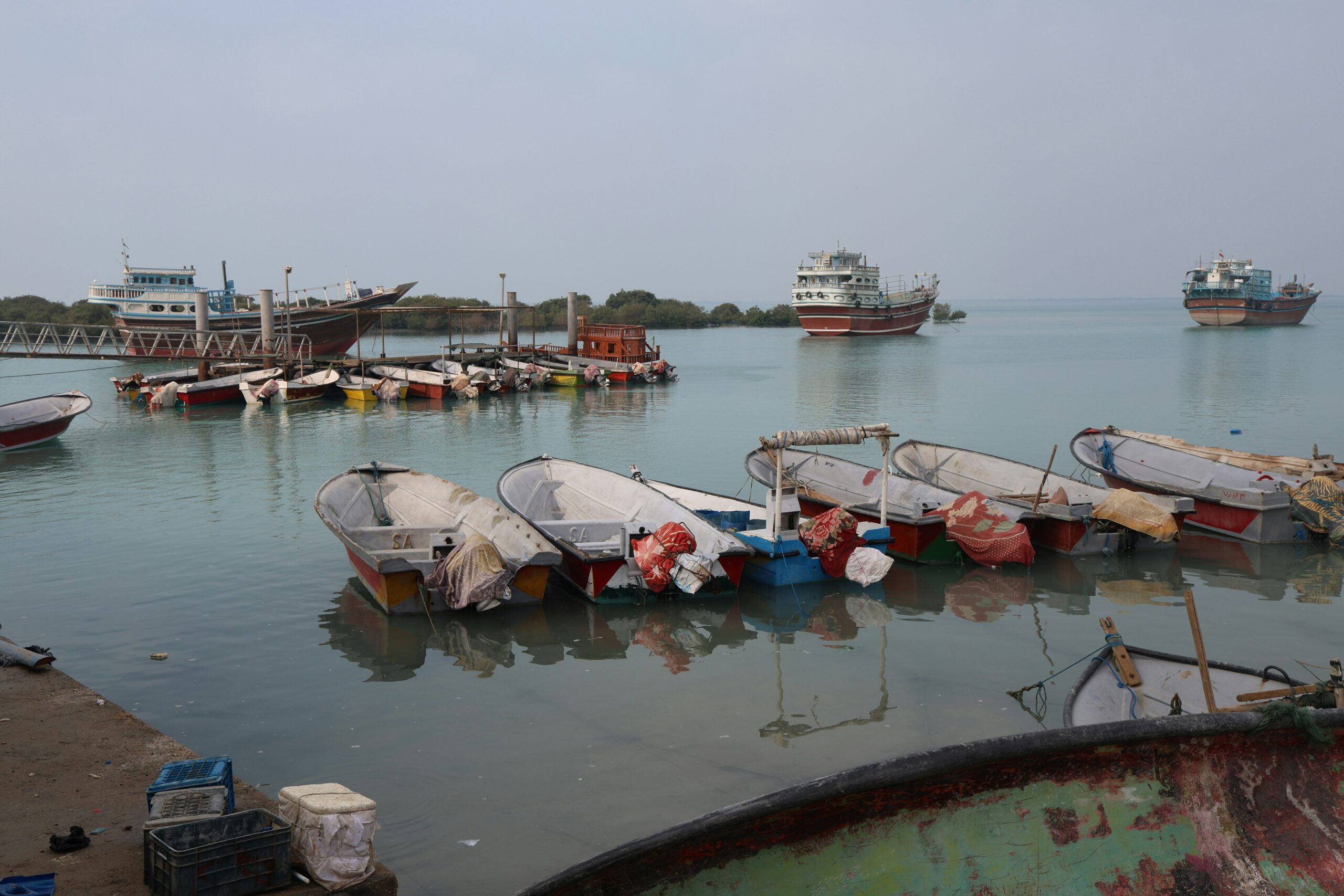
The dhows, wooden boats setting off with their loads of miscellaneous consumer goods from refrigerators to ACs to canned food to staples, all the basic necessities of everyday life for the average Iranian, loaded along the historic piers of Dubai along its storied Creek, returned with the produce of Iran from nuts and pistachios and saffron to rugs and textiles. This trade defied history; it went on and on uninterrupted even as wars raged in the region.
The wooden boats needed little if any port facilities to dock and disgorge their precious cargo. Either they landed on the sandy shoals along the Iranian coast or were emptied of their load and packed over into smaller, lighter craft to reach their destination. In either case, the wares they brought ended up in the bazaars of urban and rural Iran.
As statistics stubbornly refuse to contend with this trade, there is no way anyone can establish what is the proportion of the wooden boat delivered wares in the lifeblood of Iran’s economy. For sure, they are not the only consumer goods and staples being delivered into Iran across informal routes, to avoid the word “smuggling”. Once a bane to the authorities, these circuitous deliveries were a humble but indispensable addition to the workings of Iran’s economy. Their importance ebbed and flowed with the passage of time, between wars, sanctions or their temporary easing. Since Washington’s maximum-pressure campaign kicked in, they have gained more significance.
If estimates are anything to go by, roughly a third of Iran’s commodity cum food staples imports could originate in Dubai. That is, until this 19 August. How this volume of indispensable imported items, wares and especially staples can be substituted for from other sources via other trade routes will be a crucial test for Iran’s ailing economy.
Of no less consequence to Iran is Dubai ceasing to function as a financial platform for the Iranian money economy. The UAE not only had Iranian banks doing business in the Emirates, but Dubai was proverbially the lynchpin of Iran’s foreign financial dealings. This venue’s clogging may cause serious harm to the Islamic Republic’s banking and financial sector. Not that Iranian ingenuity could not circumvent this blockage in a world of cryptocurrencies and unorthodox methods devised for the purpose. Still, until such methods become operational, losses might soar.
To add to Iran’s troubles, Washington will cast a hawk’s eye scrutiny over which of Iran’s neighbors is facilitating blockade running, literally and figuratively. What may seem a lucrative deal for some could prove to be a major embarrassment with heavy consequences should “D.C.” find out.
To make things even worse for Tehran, the UAE’s decision may be a clarion call to others to follow suit. The Emirates’ Gulf neighbors seem to need little prodding to do so. They have sustained and keep sustaining painful blows from Iran, for no fault of their own. Much as they opted to hedge and preserve a modicum of normalcy in their relationship with their huge, hostile neighbor, the futility of their attempts may make them all the more willing to use the only effective weapon they have against an overweening adversary: economic punishment.
Where it Hurts Most
Abu Dhabi may have found the chink in Iran’s armor, or in other words, landed a blow at the place where it hurts most. The Islamic Republic may be adept at producing missiles and drones, but supplying its population of 90 million with food, water, electricity, fuel and basic services under the strain of ever-increasing economic sanctions is a challenge it cannot easily answer. The rally around the flag effect created by the war will not last indefinitely, and Iranian society will begin wondering what effect they are suffering and whether it pays off to be falling out with all their neighbors. More scarcity and higher prices, as will come after Abu Dhabi’s move, do not help either.
Alienating the Gulf and besetting their neighbors by causing their economies grievous harm has done nothing to improve the lot of Iran and Iranians. What the wooden boats of Dubai symbolized, a symbiosis born of trade, people-to-people ties, and a common aspiration to turn the region into a haven of peace, stability and prosperity, has now been inverted by Iran into a tragic disruption. The boats no more, Iran can wonder how it will cope and even more so, how it will mend fences – restore a relationship with its Gulf neighbors that suffered its biggest setback since Iran launched its ill-fated hegemonistic adventure. Gulf FDI is hardly an option now for post-war reconstruction; Iran will have to fall back on its own devices, not an enticing prospect. Eventually, Tehran will be forced to choose between butter and guns, a decision that may be hastened by Abu Dhabi’s move.