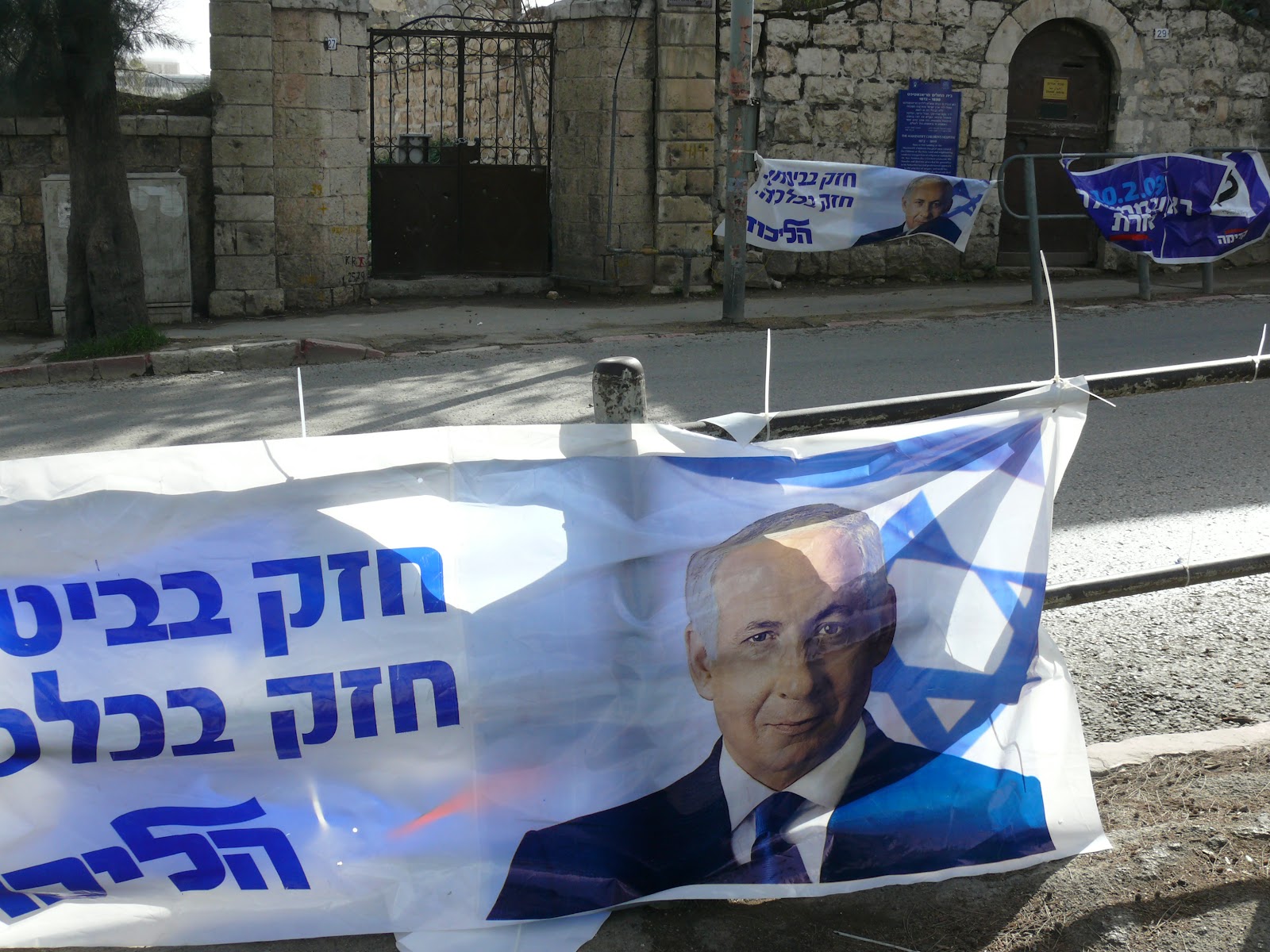
Israel’s parliamentary elections have resulted in a stalemate.
Netanyahu’s bloc secured 53 seats, while the Jewish opposition parties hold a combined total of 48 mandates. The remaining 19 seats went to Arab political factions, which also succeeded in electing two Jewish lawmakers on their electoral lists. Since neither major camp reached the absolute majority of 61 votes in the 120-member Knesset, the future government will be determined by post-election negotiations – talks that are now underway under the auspices of President Isaac Herzog.
Paradoxically, Netanyahu could once again emerge as the political winner, even though his camp has lost its parliamentary majority. As news analyst Danny Citrinowicz summarized: “He won by not losing.” The Prime Minister remains in office and may attempt to fracture the opposition, win over some of its lawmakers, or negotiate a broader coalition.
Arab Parties as the Deciding Factor?
A key question is whether the opposition can reach an agreement to cooperate with the Arab parties, which achieved a historic result. Arab citizens of Israel make up approximately one-fifth of the population, yet their political representation has long faced resistance from certain Jewish parties. Yousef Jabareen, a leader on the Arab electoral list, described the post-election situation as a “historic opportunity to change the country’s direction.” At the same time, he emphasized that the Arab minority expects equal treatment and concrete improvements in daily life – ranging from combating crime and increasing municipal funding to curbing discrimination.
For the opposition, however, this presents a complex dilemma, as its political spectrum ranges from cooperative and accommodating (Yair Golan) to the radical right (Avigdor Liberman). Forming a government will be difficult without Arab support, yet some right-wing politicians strictly reject such cooperation. Netanyahu may exploit these divisions to win over some of his rivals. If no one succeeds in securing a majority, Israel faces another round of grueling negotiations – or potentially snap elections.
A Change of Prime Minister May Not Alter the Course
Even if the Netanyahu era were to end, it might not signal a fundamental shift in policy toward the Palestinians. While differences exist between the opposition and the current coalition – for instance, regarding violence by extremist settlers in the West Bank or relations with Western allies – the core security doctrine remains largely identical. An opposition-led government might take firmer action against the most radical settlers, but this would not automatically end the settlement policy or bring support for a Palestinian state. Furthermore, a broad consensus exists between the main political camps regarding military operations in Gaza and regional rivalries involving Iran, Hezbollah, and the Houthis.
On the domestic front, however, a change in leadership could have a profound impact. The opposition promises an investigation into the security failures of October 7, 2023, as well as a reform of the military conscription rules for ultra-Orthodox Jews. For Netanyahu, this could mean not only the end of his political career but also significant pressure regarding the criminal cases currently pending against him.
Thus, the Israeli elections have raised the question of who will govern the country, though not necessarily where it will head. While the opposition has gained a window of opportunity, its greatest obstacles are not merely the Prime Minister’s allies, but its own internal ideological fractures and the long-term rightward shift of Israeli society.
A Society Shifting Steadily to the Right
The election results reflect a profound transformation in Israeli society following the Hamas terrorist attack on October 7, 2023. Although a segment of the public blames Netanyahu for the failures and his handling of the war, the Prime Minister retains a solid core of supporters. His position is anchored in a deep – at times almost cult-like – personal loyalty among voters.
At the same time, views that would have been considered fringe just fifteen years ago have become normalized. The Likud party has shifted significantly to the right, and radical nationalist rhetoric has permeated the political mainstream. Consequently, any weakening of the parties led by Itamar Ben-Gvir and Bezalel Smotrich does not signify a retreat of their ideology; many of its elements have simply been absorbed into mainstream discourse. Today, Israeli voters can choose from a diverse array of radical-right parties, ranging from secular to religious.
Steering Israeli politics in the opposite direction is incredibly difficult. The traditional left – once represented by the Labor Party and Meretz – has practically ceased to exist. While the new alliance, “The Democrats,” secured eight seats and remains the most prominent voice of the Jewish left, its members tend to avoid the term “two-state solution” in debates. They fear being branded as the “far-left” or as “traitors to the nation.” This paradox reflects the broader transformation of the Israeli political landscape: what was once taken for granted by proponents of the peace process in the 1990s has become virtually taboo in today’s Israel.
Image: Marek Čejka