The UAE’s dynamic development of its defense sector results in global expansion. By concluding agreements with strategic partners, the Emirates is strengthening its position in the Middle East and beyond. It also serves as a diversification strategy across both defense and economic domains, offering the state an additional layer of security amid a challenging regional environment.
The Arab Gulf states have already proven that, despite their limited territorial size, they are capable of exerting influence and playing a constructive role in international relations. Although Qatar was amongst the most targeted states in 2025 and 2026, Doha engaged in peace talks between Iran and the United States, becoming the most important negotiator alongside Pakistan. The road to achieving lasting peace remains long and arduous; however, this does not change the fact that these countries remain key actors in the ongoing regional geopolitical processes.
Nevertheless, given the uncertainty about the U.S. security commitments to its allies, the situation has prompted the Gulf monarchies to develop their own capabilities to strengthen their position in the dynamically changing regional order. This has been evident for nearly a decade, as intra-regional tensions, including those with an ally, have risen, leading states to reinforce their own military potential. In this case, the Arab Gulf states have embarked on a path to building up their own defense industries, as is also the case with the United Arab Emirates and Saudi Arabia, and their national conglomerates, EDGE Group and Saudi Arabia Military Industries (SAMI), respectively.
Significant attention has been drawn to the UAE company EDGE and its recent expansion into Europe. Paris and Bordeaux were chosen as the local headquarters for EDGE Europe and engineering and manufacturing facilities. This demonstrates that the UAE operates not only at the local level but also extends beyond the Middle Eastern borders.
As can be noted, Comprehensive Economic Partnership Agreements (CEPA) serve as an instrument to lift economic barriers and facilitate entry into domestic markets, whereas national defense and technology enterprises expand cooperation with their strategic partners abroad with a prospect of advancing expertise in high-tech and jointly developing innovative solutions. This is consistent with the vision of the UAE’s leadership, stating that global cooperation is key to enhancing the country’s economy and security.
The Multifaceted Cooperation between the UAE and France
Emirati-French relations, described as a full-fledged strategic partnership, have rapidly evolved over time and encompass various fields of cooperation. Its scope ranges from traditional areas, including political, economic, educational, academic, and cultural cooperation, to defense, energy, advanced technologies, and space. The UAE President, Sheikh Mohamed bin Zayed Al Nahyan, has visited France three times. Moreover, France was the first country he visited after his election in 2022.
According to France’s Ministry for Europe and Foreign Affairs, the UAE is one of the most important export destinations for France in the Gulf. Also, in 2008, both states established a strategic dialogue, which serves as a platform for discussing joint projects and initiatives. In 2022, another body was launched – the UAE-France Business Council, which aims to further increase bilateral business opportunities. Today, France ranks among the largest foreign investors in the UAE. The Ministry reports that there are currently over 600 French businesses operating in the Emirates, spanning areas such as energy, healthcare, luxury, technology, services, and infrastructure.
Over the past six years, Paris and Abu Dhabi introduced new initiatives that expanded the scope of cooperation. In 2020, during the 12th session of the bilateral strategic dialogue, the UAE and France presented a roadmap for the next ten years of their strategic partnership. Two years later, representatives of the UAE and France signed two energy agreements in Paris, at the state and corporate levels, respectively – a comprehensive strategic energy partnership and a strategic partnership agreement concluded between Abu Dhabi National Oil Company and TotalEnergies. The annual talks held as part of the Strategic Dialogue also included artificial intelligence and the peaceful use of nuclear energy, which were again outlined during the recent meeting in May 2026. The development of joint initiatives involves Emirati high-tech and renewable energy companies as well as sovereign wealth funds.
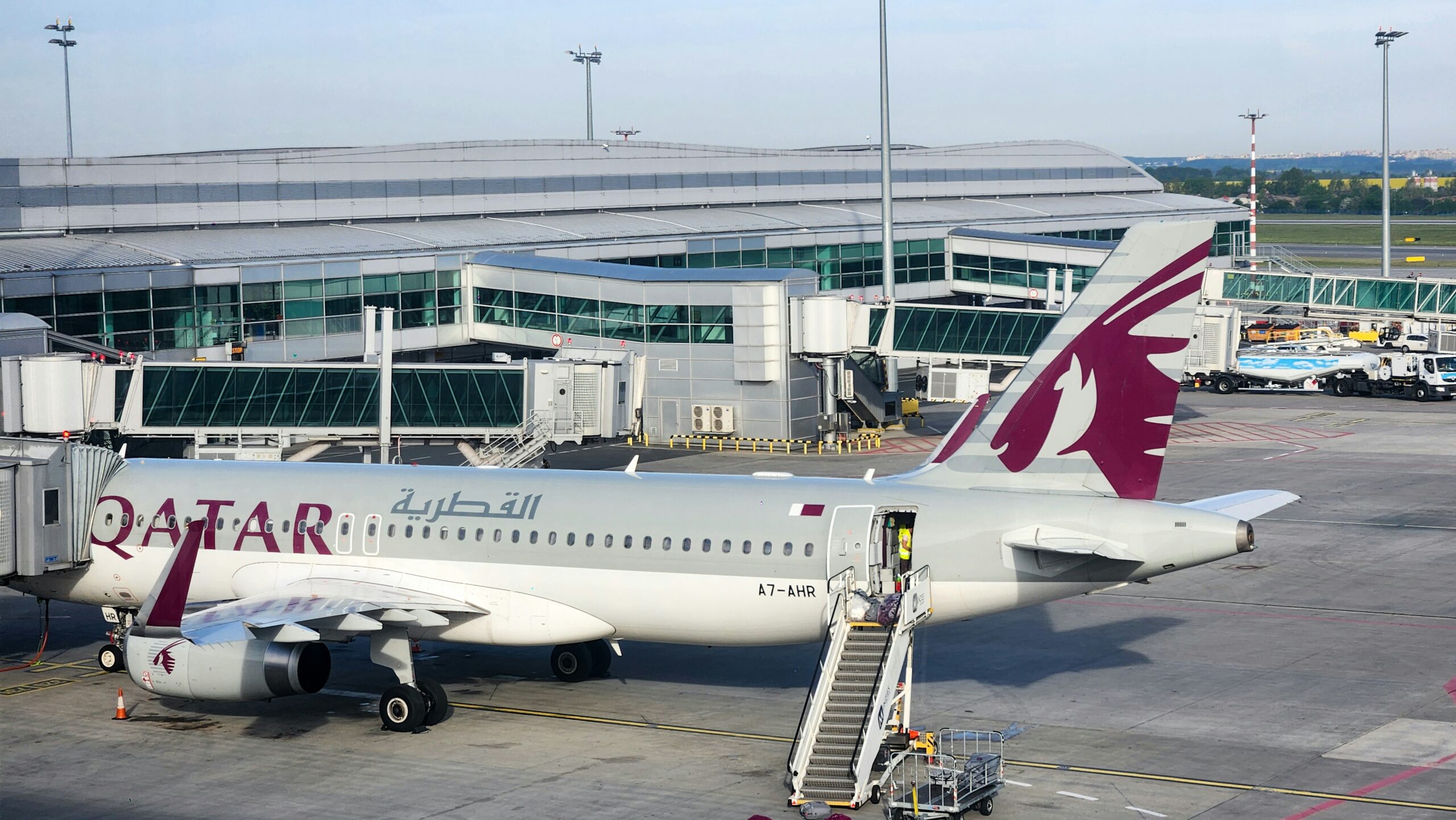
France and the UAE also collaborate in tourism and aviation. This topic, among others, was discussed during the VivaTech2026 exhibition in France between Abdullah bin Touq Al Marri, the UAE Minister of Economy and Tourism, and Serge Papin, France’s Minister for Small and Medium-sized Enterprises, Trade, Crafts, Tourism and Purchasing Power. Currently, there are 53 flights per week between the countries, and the number of tourists, particularly from France, has grown. In 2025, over 840,000 visitors traveled to the UAE, representing a 4% increase from 2024.
Given the broad scope of cooperation between Paris and Abu Dhabi, the military aspect cannot be overlooked. The two countries are linked by a defense agreement signed in 1995. Established by France in 2009, Camp de la Paix (Peace Camp) was the first permanent military base abroad, with 900 troops currently stationed there.
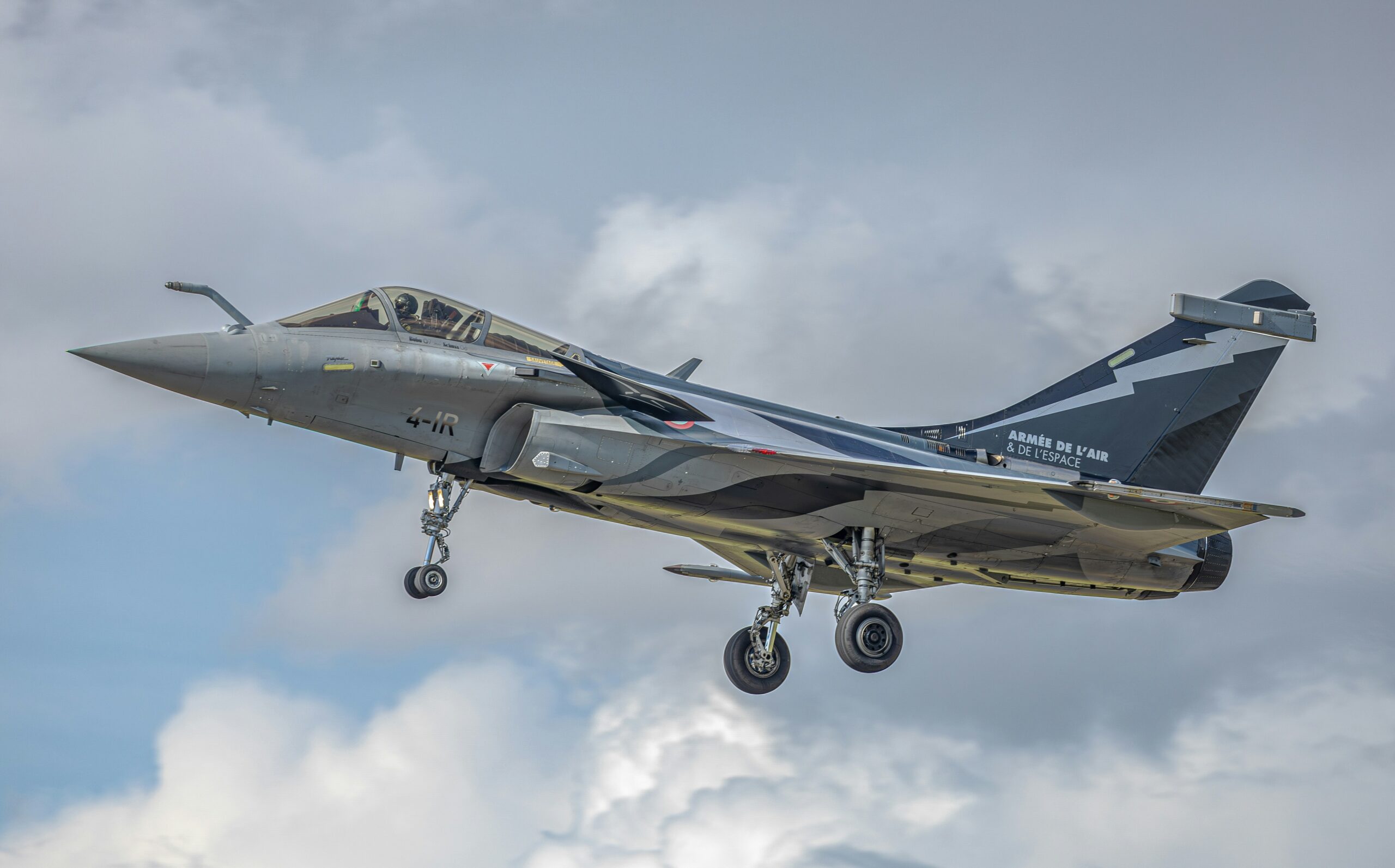
France is the second-largest supplier of arms to the UAE, following the U.S. According to the Stockholm International Peace Research Institute (SIPRI), it accounted for 18% of the recipient’s total imports between 2021 and 2025. It should be noted that in 2021, the UAE signed an $18 billion contract to purchase 80 Rafale fighter jets and 12 Airbus combat helicopters. It was regarded as France’s largest overseas sale of combat aircraft to date.
UAE’s Defense Sector – the Case of EDGE Group
The UAE’s defense conglomerate was established in 2019, and today it gathers over 35 subsidiaries. EDGE provides a diverse selection of products, solutions, and systems, ranging from weapons, missiles, platforms, security systems, space and cyber technologies, to research and development of advanced technologies, military consulting, training, and solutions implemented for border protection. According to Defense News, EDGE is ranked 38th globally among the top 100 defense companies, with a total defense revenue of $4,02 billion in 2024. The higher positions in the ranking are occupied by Chinese, American, South Korean, Israeli, and European companies, including French entities, with which cooperation has already been deepened, mainly Safran, which operates in the field of aviation, space, and defense. Together with EDGE, they aim to develop new solutions, know-how, and capabilities under the Strategic Cooperation Agreement signed in June 2026.
Recently, EDGE’s expansion culminated in the establishment of its European branch in France. Paris was chosen as the headquarters for EDGE Europe, while engineering and production facilities will be located in Bordeaux. Jérôme Brahy contends that among the many advantages that France can offer to its partners, including the UAE, are access to propulsion, composites, avionics, engineering talent, universities, and research institutions. He later implies that France is a strategic gateway to the broader European defense market, which would bring many opportunities for the UAE and its conglomerate to advance its potential.
In the past, the Emirati company also concluded agreements with European states, including the Polish company Flaris, in which the Emirati defense entity has a 50% share. According to media reports, they both aimed to convert a manned aircraft into an unmanned system. It should be noted that EDGE Group also operates in other parts of the world and has expanded its presence in Brazil.
Robert Czulda emphasized the dynamic development of the UAE’s defense capabilities, which made the country a key partner globally. Given the fact that it has been seven years since the establishment of EDGE, it has already achieved international recognition and drawn the interest of foreign companies seeking collaboration. Together with Tawazun Council, the authority that coordinates the domestic defense sector and security, EDGE constitutes a second pillar of the Emirates’ industrial base.
The UAE’s National Interests vis-à-vis the U.S. Foreign Policy in the Middle East
The Emirates’ move to locate EDGE’s headquarters in France represents another milestone in becoming a more autonomous actor with ambitions to develop advanced defense capabilities. Joint venture projects launched by both Emirati and French companies will deepen the bilateral relationship and create new prospects for developing sophisticated military equipment and contributing to broadening technological know-how. Conversely, the security provisions offered by the U.S., the long-term ally of the Arab Gulf states, remain uncertain, as was proven by the clashes between Israel and Iran.
Despite the reassurance provided by U.S. Secretary of State Marco Rubio during his recent visit to the UAE, Bahrain, and Kuwait, the Arab monarchies may remain wary of the U.S. security guarantees. Although the top diplomat stated that we are open to peace that is enduring and real and doesn’t undermine security and prosperity for the US or its allies, these words alone may need to be backed by practical solutions that ensure a higher level of security. The Memorandum of Understanding, which is currently the first agreement signed by the U.S. and Iran, does not address issues affecting the Gulf states, such as the Iranian missile program; therefore, as long as all matters remain unsettled, tensions will persist over time and prolong the process of concluding the final deal. It is worth noting that in recent days there has been another exchange of fire, including missile and drone attacks on Bahrain and Kuwait, which is a worrying signal that any minor dispute may again trigger a wider escalation.
In light of all circumstances, the UAE is a future-oriented country that sees new opportunities not only in the region but also in other parts of the world. The defense sector is a domain that the UAE will continue to advance, particularly given the regional dynamics. European countries, including France, and the U.S., the main security guarantor, are vital actors in the ongoing process, and overall, the UAE’s policy is consistent with the diversification strategy that remains the pillar of the Emirates’ contemporary vision.