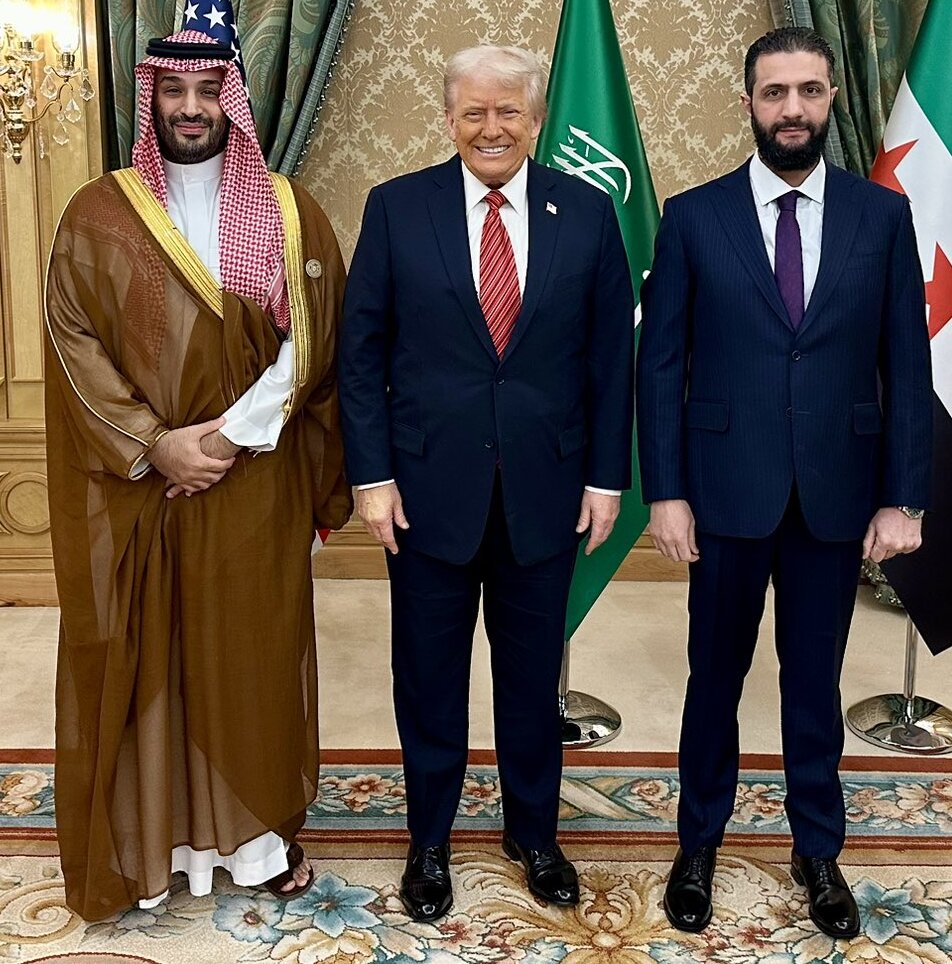
May 14, 2025 will go down as a watershed date in modern Syrian history. Just six months after coming to power, the former Al Qaida operative Ahmed Al-Sharaa aka Abu Mohammad Al-Jolani, former inmate...
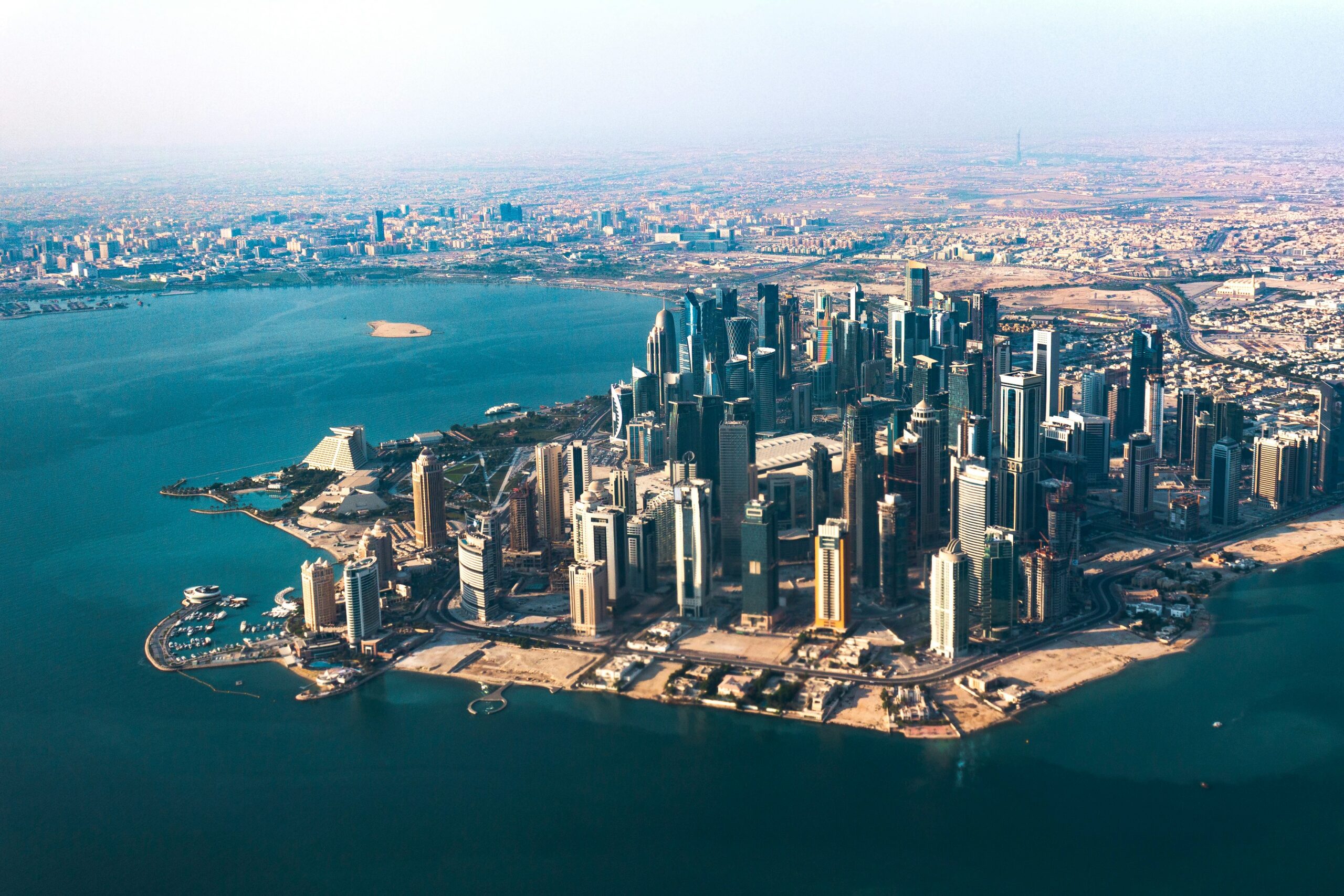
The Gulf States, notably Qatar, have redefined their roles by taking a more assertive approach and engaging in conflict resolution. With a strong economic and diplomatic foundation developed over the years, Qatar has...
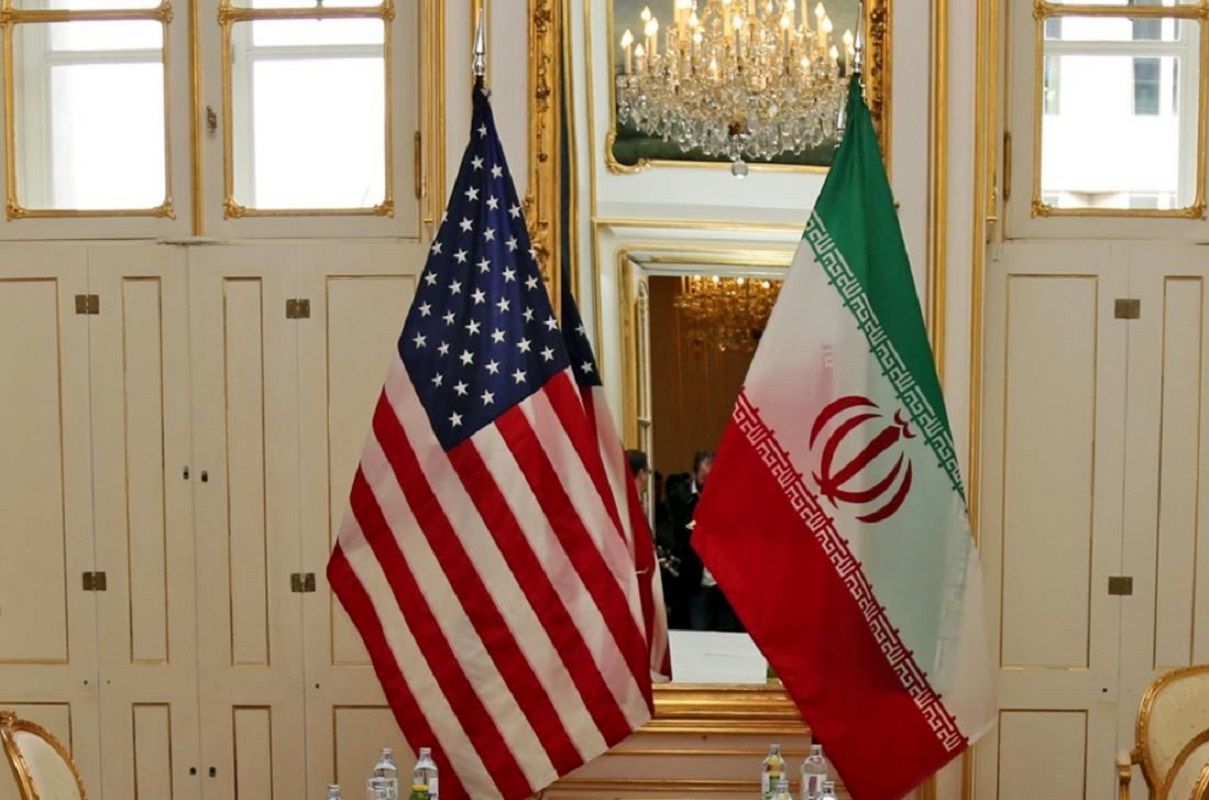
The Arab countries of the Persian Gulf, particularly Saudi Arabia and the UAE, which were strong opponents of the 2015 nuclear deal (JCPOA) with Iran during President Obama’s administration, are now supporting negotiations between Iran...
Russia wants the Iranian nuclear dossier resolved, as it considers this in its national interests, while conditioning its assistance on obtaining concessions from the West. *The text reflects the author's opinions and does...
The Arab Gulf states will continue their diplomatic efforts to achieve sustainable peace in Syria. However, reaching this goal will require mutual commitment, patience, and a clear plan – elements that are crucial...
With the revocation of Iraq's exemption to purchase electricity from Iran, gas imports from Iran have also been affected. As a result, Iraq is looking for an alternative energy supply, and Qatar and...
What does the future hold for the Syrian transition for religious/ethnic minorities? A major challenge in Syria's political transition following the rapid collapse of the Assad regime in December 2024 is the ability...
The price of Middle Eastern crude oil is rising, particularly in response to global sanctions and shifting trade dynamics. Geopolitical tensions, supply chain disruptions, and energy independence efforts have significantly influenced pricing trends....
In recent years, the Gulf Arab states have become more self-reliant and assertive in pursuing their national interests. Their approaches are unlikely to change, even with the return of President Donald Trump. The...
The Axis of Resistance is a central pillar of Iran’s regional strategy. It serves as Iran’s “strategic depth,” enabling Tehran to manage regional threats—particularly Israel—beyond its borders while establishing a deterrence framework. Additionally,...